While half the IT industry is anxiously watching AI eat into developer job postings, one corner of the field is doing something different — it's growing. Salaries are up. Vacancies are multiplying. Companies can't hire fast enough. And the reason, ironically, is the same technology everyone else is worried about.
Cybersecurity is one of the very few IT careers where AI makes the humans more necessary, not less. If you haven't looked seriously at this field yet, this article is going to make a compelling case for why you should — and give you a clear-eyed picture of what it actually takes to get in.
This article covers why cybersecurity is booming, what the career paths actually look like, how Kuwait's job market sits relative to the global demand, and the realistic steps to get started — whether you have a technical background or not.
Why AI Is Making Cybersecurity More Human, Not Less
Here's the logic that most people miss: AI doesn't just defend systems — it also attacks them. The same tools that developers use to write code faster can be used by malicious actors to write malware faster. AI can automate phishing campaigns at a scale and sophistication that would have been impossible to pull off manually even two years ago. It can scan for vulnerabilities across thousands of systems simultaneously. It can generate convincing social engineering scripts tailored to specific targets.
The attack surface isn't just growing — it's getting smarter. And that means the people defending against it need to get smarter too. AI-powered threats require human experts who can think adversarially, adapt in real time, and make judgment calls that no automated system can make on its own.
"AI is the best thing that ever happened to cybersecurity professionals. Every time a new AI attack tool gets released, it creates six months of work for every security team on the planet."Senior Security Consultant — shared at a GCC cybersecurity forum, 2024

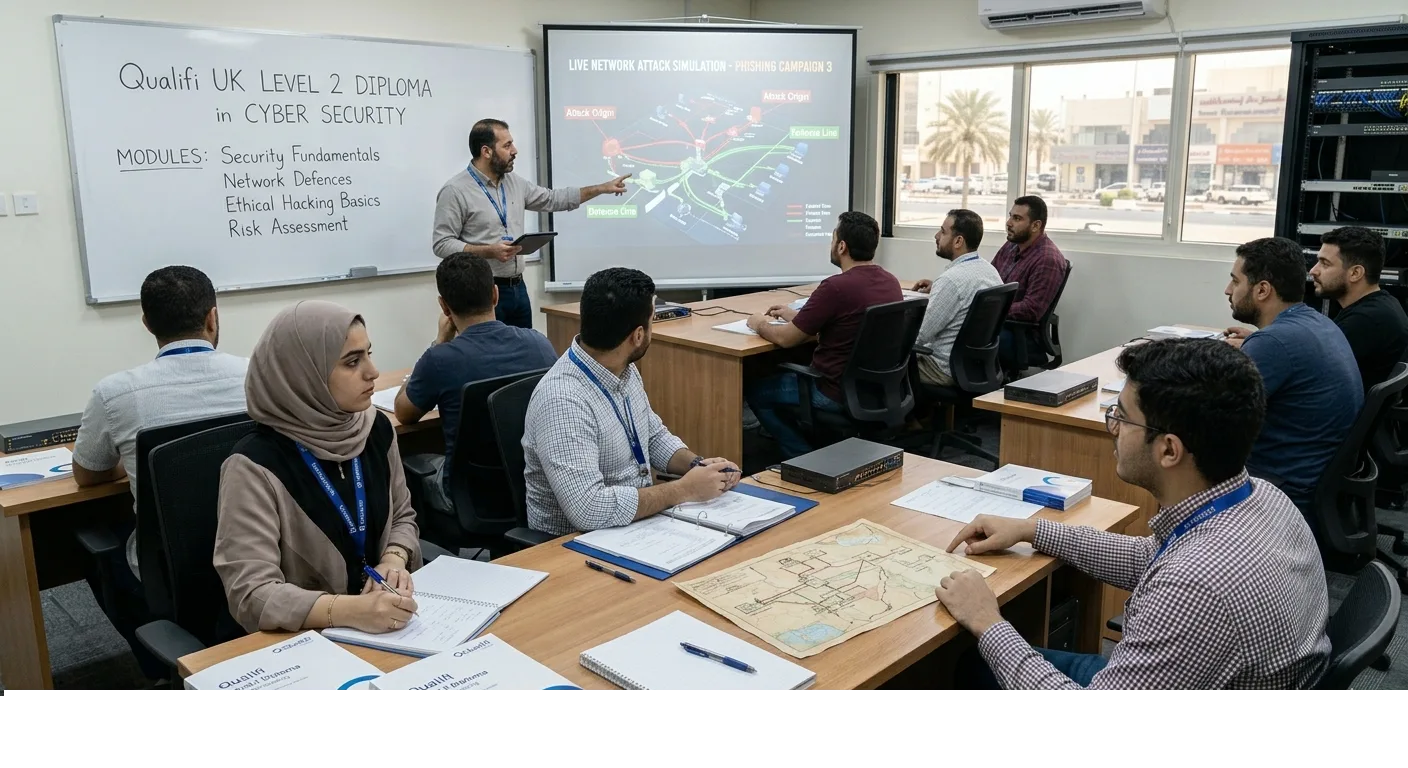
Modern Security Operations Centres are now monitoring AI-generated threats in real time — a job category that barely existed five years ago.
The Numbers Are Hard to Ignore
Cybersecurity's talent shortage isn't a talking point — it's one of the most well-documented workforce gaps in the entire technology sector. The data paints a consistent picture across every region, including the GCC:
The supply-demand gap in cybersecurity isn't a short-term blip. Universities aren't producing enough graduates. Bootcamps help but don't close the gap. And the roles themselves are diversifying — it's not just one job anymore, it's an entire ecosystem of specialisations, each with its own career path and salary ceiling.
What Cybersecurity Jobs Actually Look Like
One of the biggest misconceptions about cybersecurity is that it's a single career. It's actually a wide field with very different roles — some highly technical, some more analytical, some that blend technical and business skills. Here's an honest breakdown of the main paths:
- 1Security Analyst (SOC Analyst)The most common entry point. You monitor systems for threats, respond to alerts, investigate incidents, and escalate when needed. Works in a Security Operations Centre, often on shift. High demand, good entry-level pay, and a clear ladder upward. This is where most careers start.
- 2Penetration Tester (Ethical Hacker)You get paid to try to break into systems — legally and with permission — so companies can find their vulnerabilities before attackers do. Requires deeper technical knowledge, but is one of the most intellectually exciting and well-compensated paths in IT. Certifications like CEH and OSCP are the standard entry points.
- 3Network Security EngineerDesigns and maintains the security architecture of an organisation's networks — firewalls, VPNs, intrusion detection systems. Overlaps heavily with networking (Cisco, CompTIA) and rewards people who already have an IT infrastructure background. Very stable, very in-demand in Kuwait's government and banking sectors.
- 4Security Consultant / vCISOSenior-level role advising organisations on their overall security posture, risk management, and compliance. Combines technical knowledge with business communication and strategy. Higher earning ceiling than most IT roles. Often reached after 5–8 years in more hands-on security work.
- 5Incident Responder / Digital ForensicsWhen a breach happens, you're the one called in to contain it, understand what happened, recover systems, and produce the post-mortem. High-pressure, high-reward, and increasingly important as regulations require documented breach responses. Growing rapidly across Kuwait's financial sector.

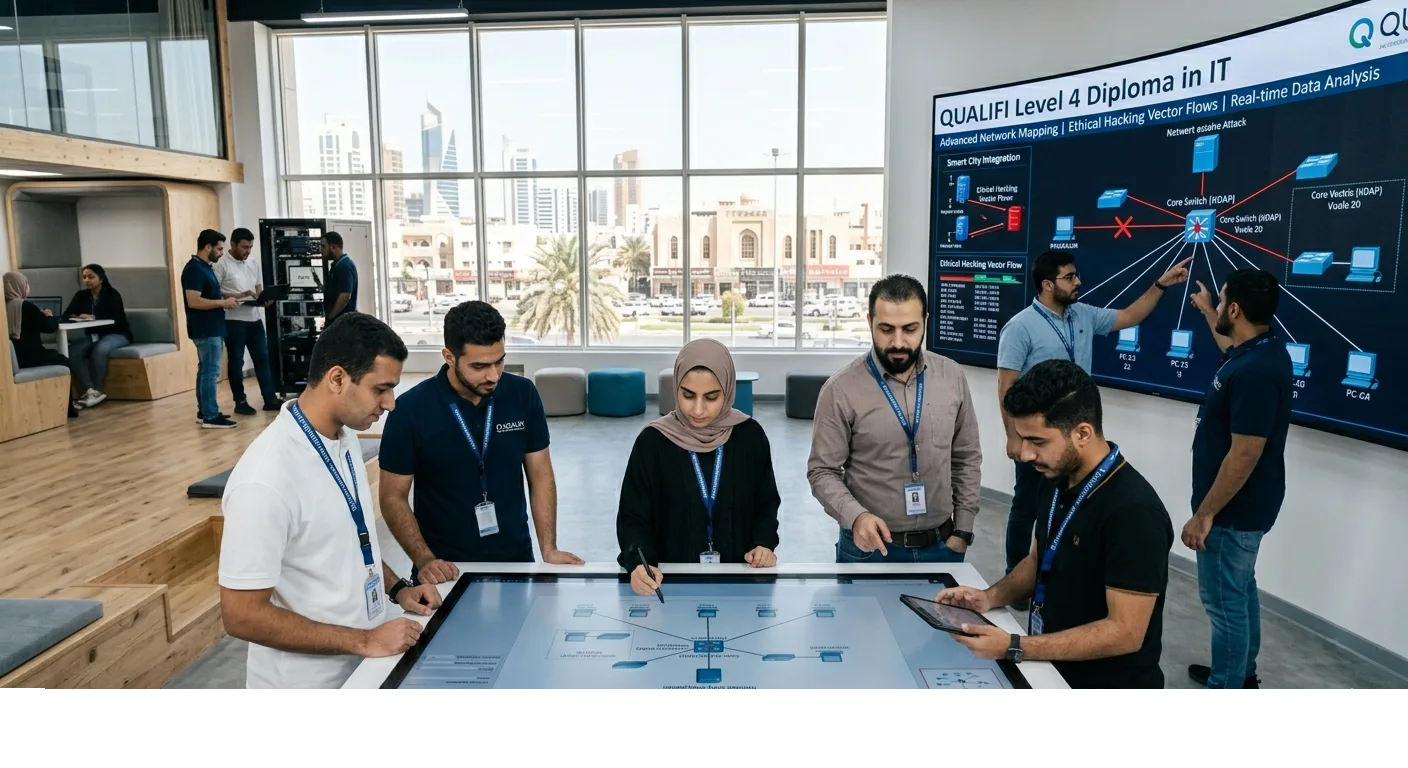
Cybersecurity isn't one career — it's a full ecosystem of specialisations, each with its own entry point and growth ceiling.
The Kuwait Angle: Why This Matters Here Specifically
Kuwait's cybersecurity situation is worth paying close attention to. Several factors are converging that make security expertise particularly valuable in this market right now:
Digital transformation at scale. Kuwait's government is actively pushing e-government services, digital banking, and smart infrastructure as part of Vision 2035. Every new digital system is a new attack surface. The people who can secure those systems are in active demand across both public and private sectors.
Regulatory tightening. Kuwait's Central Bank, along with regional regulators across the GCC, has significantly increased cybersecurity compliance requirements for financial institutions since 2022. Banks and insurance companies are now legally required to maintain specific security standards — which means they need staff who can meet and document those requirements.
Kuwait has experienced significant, publicly reported cyberattacks on government systems and financial institutions in recent years. These incidents aren't making organisations paranoid — they're making them hire. Urgently.
The talent gap is local, not just global. The 3.5 million unfilled cybersecurity jobs worldwide isn't evenly distributed — the GCC faces a proportionally larger gap because the field is newer here and local universities haven't historically produced security-focused graduates at scale. That gap is an opportunity for anyone willing to build the skills now.

Kuwait's financial sector and government agencies are under increasing pressure to meet cybersecurity compliance standards — driving urgent local hiring.
How to Actually Get Started
The good news: cybersecurity has one of the clearest, most well-documented entry paths in IT. You don't need a computer science degree. You don't need to already be a developer. What you need is the right foundation, the right certifications, and the willingness to put in consistent effort over 6–18 months.
Here's the honest, sequenced path that works for most people starting from a general IT background — or even from scratch:
- Step 1 — Build the IT foundation. If you don't already understand how networks work (TCP/IP, DNS, firewalls, routing), how operating systems work (Windows Server, Linux basics), and how the web works (HTTP, APIs, databases) — start there. CompTIA A+ and Network+ cover most of this ground. You cannot secure systems you don't understand.
- Step 2 — Get your first security certification. CompTIA Security+ is the industry standard entry-level security qualification — recognised by employers globally and by Kuwait's government sector. It covers threat landscapes, cryptography, access control, and incident response. Start here.
- Step 3 — Pick a direction and go deeper. After Security+, your next step depends on which path interests you. For ethical hacking: CEH (Certified Ethical Hacker) or OSCP. For network security: Cisco's CCNA Security. For analytics and monitoring: CompTIA CySA+. Don't try to do all of them at once — go deep in one.
- Step 4 — Get hands-on practice. Certifications open doors; practical skills keep you employed. Platforms like TryHackMe and Hack The Box provide real-world security challenges you can work through from home. Build a home lab. Practice matters more than additional certificates.
- Step 5 — Position yourself for the local market. In Kuwait, the highest-demand entry points are SOC analyst roles in banking and government, and network security positions tied to infrastructure projects. Tailor your CV to these areas and approach ICSA or similar institutions about certification programs that are specifically recognised in the GCC market.
The Honest Challenges (Because There Are Some)
No career article worth reading leaves out the hard parts. Cybersecurity is genuinely one of the best IT fields to enter right now — and it also has real challenges you should go in with eyes open about.
"Cybersecurity is one of the few fields where you have to think like both the defender and the attacker simultaneously. That cognitive demand is why it pays well — and why not everyone who tries it sticks with it."ICSA Instructor, Network Security — 12 years in the field
- It requires continuous learning. The threat landscape never stops evolving. A cybersecurity professional who stops studying is obsolete within 2–3 years. This isn't a "learn it once" career — it's a "keep learning forever" career. If that sounds exhausting rather than exciting, that's useful self-knowledge.
- Entry-level SOC work can be high-pressure and repetitive. The first 1–2 years often involve shift work, high alert volumes, and lots of false positives. It builds foundational skills quickly — but it's not glamorous. The payoff comes in years 3–5 when you move into more senior or specialist roles.
- Certifications alone aren't enough. Employers want evidence of practical skill, not just cert badges. You need to supplement formal training with hands-on lab work, personal projects, and ideally some form of portfolio or CTF (Capture the Flag) participation.

Cybersecurity rewards people who enjoy continuous learning — it's a field where curiosity is as important as credentials.
The Window Is Open. It Won't Stay That Way.
Cybersecurity is the rare field right now where demand is dramatically outpacing supply, AI is increasing rather than reducing the need for human expertise, salaries are rising, and the entry path is genuinely accessible to people who are willing to commit to structured learning. In Kuwait specifically, the combination of digital transformation, regulatory pressure, and a thin local talent pool means the opportunity is even sharper than the global picture suggests.
The window exists because most people haven't moved on it yet. That won't last. As cybersecurity awareness grows and more people enter the pipeline, entry-level competition will increase and the premium will compress — not disappear, but compress. The people getting in now, building real skills over the next 18–24 months, will be the ones in senior roles with the best leverage when that happens.
At ICSA, we offer IT and networking foundations that feed directly into cybersecurity certifications — including paths aligned with CompTIA and Cisco qualifications recognised across the GCC. If this is a direction you're seriously considering, start with a conversation with our team about where you currently stand and what the most direct path forward looks like for you.